

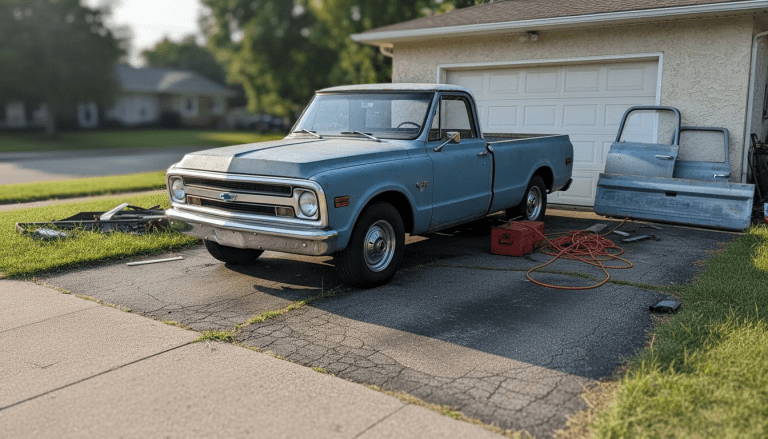
Restoring a vintage Chevy truck can feel overwhelming when you’re faced with countless feature variations across generations. Should you chase authenticity or upgrade for daily use? Which era offers the best mechanical simplicity? Understanding the key features, parts availability, and restoration ease across different Chevy truck generations saves you time, money, and frustration. This guide breaks down the essential features by era, highlighting mechanical simplicity and aftermarket support to help you make smarter restoration decisions.
Table of Contents
- How To Choose The Right Vintage Chevy Truck Features For Restoration
- Vintage Chevy Truck Models And Key Features By Era
- Mechanical Features And Restoration Ease
- Parts Availability And Restoration Support
- Modern Upgrade Compatibility And Restomod Options
- Summary Comparison Of Vintage Chevy Truck Features
- Situational Recommendations: Choosing The Best Vintage Chevy Truck Features For Your Project
- Discover FullSizeChevy: Your Restoration Partner
- Frequently Asked Questions About Vintage Chevy Truck Features
Key Takeaways
| Point | Details |
|---|---|
| Different eras have distinct features | 1947-1959 models prioritize authenticity, 1967-1972 balance ease and parts, 1973-1987 support modern upgrades |
| Mechanical simplicity matters | Body-on-frame construction and basic V8 engines make restoration more manageable for hobbyists |
| Parts availability varies by generation | Robust aftermarket covering 95% of components exists especially for 1967-72 C10 models |
| Restoration goals drive feature selection | Authentic restoration, restomod, or daily driver use each require different feature prioritization |
| Budget impacts project scope | Quality restorations typically range $20,000-$40,000 depending on rust repair, engine work, and bodywork |
How to Choose the Right Vintage Chevy Truck Features for Restoration
Selecting the right features starts with defining your restoration goals. Are you building a numbers-matching collector piece, a weekend cruiser, or a restomod daily driver? Each path demands different priorities.
Key evaluation criteria include originality, parts availability, mechanical simplicity, upgrade compatibility, and budget. Authentic restoration requires matching original paint colors and attention to factory trims and emblems, which significantly contribute to vehicle value. If collector appeal matters, originality trumps convenience every time.
For restomod builds, modern upgrades take center stage. You want a platform that accepts fuel injection, disc brakes, and suspension improvements without major fabrication. Daily drivers need reliability over rare factory details.
Consider these factors when choosing features:
- Truck generation affects parts availability and restoration complexity
- Your mechanical skill level determines which era suits you best
- Budget constraints may push you toward models with stronger aftermarket support
- Intended use dictates whether to preserve originality or modernize
- Time investment varies significantly across different generations
Pro Tip: Before buying, research whether critical body panels and trim pieces are still manufactured for your target model year. Some rare components can derail an entire project.
The truck generation you choose dramatically impacts your parts sourcing experience. Popular models like the 1967-1972 C10 benefit from extensive reproduction parts, while earlier models may require custom fabrication or NOS hunting. Match your feature selection to realistic expectations about availability and cost.
Vintage Chevy Truck Models and Key Features by Era
Each Chevy truck era brought distinctive features that define restoration character and complexity. Understanding these differences helps you identify which generation aligns with your project vision.
1947-1959 Advanced Design Trucks
Chevy trucks from 1947-1959 featured wooden reinforced cab doors and an easily distinguishable swing-out windshield design with wingnut retention. These trucks showcase post-war styling with distinctive five-bar horizontal grilles and rounded fenders. The rear window is a single curved piece that defines the era’s aesthetic.
Mechanically, these models use leaf spring suspensions front and rear with solid axles. Engine options included inline-six Thriftmaster and Loadmaster engines, plus small block V8s in later years. The simplicity appeals to purists, but parts scarcity challenges budget-conscious restorers.
1960-1972 C/K Series Trucks
This generation split into two distinct styling periods. The 1960-1966 models introduced torsion bar front suspension and offered inline-six and V8 engines with improved power and handling. The wraparound windshield and flatter hood distinguished these trucks from earlier models.
The 1967-1972 Chevrolet C10 series is renowned for mechanical simplicity, body-on-frame design, and widespread aftermarket parts availability, making it a top choice for restorers. This period featured refined styling with single headlights, cleaner body lines, and a more modern interior. Engine options ranged from 250ci inline-six to 350ci and 402ci V8s.

1973-1987 Square Body Trucks
The Square Body generation marked a significant design shift. These trucks feature coil spring rear suspension, improving ride quality substantially. The boxy styling earned the nickname that stuck for decades.
Popular V8 350ci engines dominated this era, known for reliability and power. Interior creature comforts improved dramatically with better HVAC systems, upgraded dashboards, and more comfortable seating. The platform’s robust construction makes it ideal for heavy modification and restomod builds.
| Era | Key Exterior Features | Suspension Type | Popular Engines |
|---|---|---|---|
| 1947-1959 | Rounded fenders, swing-out windshield | Leaf spring front/rear | Inline-six, early V8 |
| 1960-1966 | Wraparound windshield, flatter hood | Torsion bar front | 230ci I6, 283ci V8 |
| 1967-1972 | Clean body lines, single headlights | Torsion bar front | 250ci I6, 350ci V8 |
| 1973-1987 | Boxy styling, larger cab | Coil spring rear | 350ci V8, 454ci V8 |
Mechanical Features and Restoration Ease
Mechanical simplicity separates manageable restoration projects from money pits. Vintage Chevy trucks earned their reputation for straightforward engineering that weekend mechanics can handle.
The mechanical simplicity of vintage Chevy trucks, such as the use of basic V8 or inline-six engines and body-on-frame construction, makes restoration and upgrades more achievable for hobbyists. These engines feature fewer electronic components than modern powertrains, reducing diagnostic complexity and repair costs.
Body-on-frame construction offers huge advantages. You can drop the cab off the frame for complete rust repair and structural work. This separability simplifies major projects that would be impossible on unibody vehicles.
Suspension systems evolved across generations but remained relatively simple. Early leaf spring setups are bulletproof and easy to rebuild. Torsion bar front suspension on 1960-1972 models requires more attention but still uses conventional components. The coil spring rear on Square Body trucks provides better ride quality with minimal complexity increase.
Wiring and electrical systems present the biggest challenge in vintage truck restoration. Original harnesses deteriorate over decades, and previous owners often create electrical nightmares with poor modification attempts. Budget time and money for complete harness replacement using modern reproduction looms.
Key mechanical advantages for restoration:
- Carbureted engines eliminate complex fuel injection diagnostics
- Manual transmissions (TH350/TH400 automatics) are rebuildable with common parts
- Drum brakes use simple hydraulic systems with readily available components
- Rear axle assemblies are robust and parts-compatible across years
- Steering boxes are straightforward to rebuild or replace
Pro Tip: Invest in a quality factory service manual for your specific model year. These manuals provide torque specifications, wiring diagrams, and assembly sequences that save countless hours of trial and error.
For those seeking restoration tips for vintage Chevy mechanicals, understanding the fundamentals of carburetor tuning, ignition timing, and brake system maintenance forms the foundation of successful mechanical restoration.
Parts Availability and Restoration Support
Parts availability makes or breaks restoration timelines. Fortunately, vintage Chevy trucks enjoy exceptional aftermarket support compared to many classic vehicles.
An extensive aftermarket parts ecosystem exists for vintage Chevy trucks, notably through suppliers like Classic Industries and LMC Truck, facilitating restoration with both OEM and reproduction parts. These suppliers stock everything from body panels and trim pieces to complete weatherstripping kits and interior components.
Parts availability peaks for 1967-1972 C10 models due to their popularity among restorers and daily driver enthusiasts. You can source over 95% of needed components through major suppliers at reasonable costs. Earlier models face more challenges, with some trim pieces and specific body panels requiring custom fabrication or expensive NOS hunting.
Quality varies across reproduction parts. Premium suppliers offer parts that match or exceed OEM specifications, while budget options may require fitment adjustment. Spending extra on critical components like body panels, bumpers, and weatherstripping prevents frustration during assembly.
Major parts categories with strong availability:
- Complete body panel sets including fenders, doors, bed sides, and tailgates
- Interior components including seat upholstery, door panels, and dashboards
- Weatherstripping and rubber seals manufactured to original specifications
- Mechanical components including brake systems, suspension parts, and engine accessories
- Trim pieces, emblems, and exterior brightwork in both chrome and stainless steel
For collector-grade restorations, sourcing authentic date-coded components adds significant cost and time. Original parts with correct casting numbers and date stamps command premium prices but validate authenticity for serious collectors.
The ultimate restoration guide provides deeper insight into parts sourcing strategies and vendor selection for various restoration budgets and quality standards.
Modern Upgrade Compatibility and Restomod Options
Modern upgrades transform vintage Chevy trucks into reliable daily drivers without sacrificing classic aesthetics. The restomod approach balances nostalgia with contemporary performance and safety.
Restorations that combine originality with modern upgrades such as fuel injection, power disc brakes, and suspension enhancements are increasingly popular, especially on 1967-1972 Chevy C10 models. These upgrades significantly improve drivability while maintaining the vintage character that drew you to the truck initially.
Fuel injection retrofits using modern EFI systems improve cold starting, fuel economy, and throttle response. Bolt-on systems from Holley, FiTech, and FAST eliminate carburetor hassles while maintaining a stock appearance under the hood. These systems include self-tuning capabilities that simplify setup for beginners.
Power disc brake conversions rank as the most important safety upgrade. Kits bolt directly to existing spindles on most models, providing massively improved stopping power. Four-wheel disc setups offer the best performance but two-wheel conversions still deliver substantial improvement over original drums.
Suspension upgrades enhance handling and ride quality dramatically. Popular modifications include:
- Lowering kits using drop spindles and blocks maintain factory geometry
- Coilover conversion kits replace leaf springs for adjustable ride height
- Sway bar additions reduce body roll in corners
- Power steering conversions eliminate arm fatigue on larger tires
- Air suspension systems provide adjustable ride height at the push of a button
Balancing upgrades with originality preserves resale value while improving functionality. Reversible modifications using bolt-on components maintain flexibility if you later decide to return to stock configuration.
The 1973-1987 Square Body platform accepts modern upgrades most easily. Its later design accommodates LS engine swaps, modern transmission conversions, and contemporary suspension systems with minimal fabrication. For guidance on strategic upgrades, explore modern upgrade compatibility guide and value-smart restomod upgrades that enhance performance without compromising classic appeal.
Summary Comparison of Vintage Chevy Truck Features
Comparing key features across generations helps identify which platform matches your restoration goals, skill level, and budget constraints.
| Generation | Engine Options | Front Suspension | Body Style | Parts Availability | Restoration Complexity | Best Use Case |
|---|---|---|---|---|---|---|
| 1947-1959 | I6, early V8 | Leaf spring | Rounded, classic | Limited, expensive | High (rust, scarcity) | Authentic restoration, collectors |
| 1960-1966 | 230ci I6, 283ci V8 | Torsion bar | Wraparound glass | Moderate | Moderate to high | Intermediate restorers |
| 1967-1972 | 250ci I6, 350ci V8 | Torsion bar | Clean, modern | Excellent (95%+) | Low to moderate | Beginners, restomods, daily drivers |
| 1973-1987 | 350ci V8, 454ci V8 | Torsion bar | Square body | Very good | Low to moderate | Restomods, daily drivers, modern upgrades |
This comparison reveals why the 1967-1972 C10 dominates the restoration market. It balances classic styling with mechanical simplicity and unmatched parts support. Earlier models suit purists willing to invest more time and money hunting rare components.
Square Body trucks offer the best platform for heavy modification and daily driver builds. Their later design accepts modern powertrains and suspension systems more readily. Parts availability remains strong, though not quite matching the peak C10 years.
Restoration complexity ties directly to rust severity, parts scarcity, and mechanical condition. Earlier trucks typically show more rust due to age, while parts for these models cost more and require longer sourcing times. Later models benefit from better rust protection and abundant reproduction parts.
Situational Recommendations: Choosing the Best Vintage Chevy Truck Features for Your Project
Matching features to your specific situation ensures project success and satisfaction. Different restoration goals demand different approaches.
For Authentic Restoration (Collector Focus)
Prioritize 1947-1959 Advanced Design trucks if originality and collector value matter most. Accept higher costs for NOS parts and specialized knowledge requirements. Focus on correct date codes, original paint formulas, and factory assembly details.
For Beginner Restorers
The 1967-1972 C10 offers the best entry point. Mechanical simplicity, excellent parts availability, and strong community support make these trucks forgiving for first-time restorers. You’ll find abundant how-to content and forums dedicated specifically to this generation.
For Restomod Projects
1973-1987 Square Body trucks provide the ideal canvas for modern upgrades. The robust frame accepts LS engine swaps easily. Upgraded suspension systems bolt in with minimal fabrication. The later design accommodates contemporary amenities like air conditioning and power accessories.
For Daily Driver Use
Choose later vintage models (1973-1987) with improved ride quality and easier parts sourcing for wear items. Budget for reliability upgrades including fuel injection, electronic ignition, and overdrive transmission. These modifications transform vintage trucks into practical transportation.
Key considerations by priority:
- Budget determines generation selection and restoration depth
- Timeline expectations must account for parts sourcing and learning curves
- Mechanical skill level should match project complexity honestly
- Storage and workspace requirements increase with project scope
- Support network through forums and local clubs accelerates learning
Pro Tip: Join generation-specific forums before buying. Ask members about common rust areas, mechanical weak points, and realistic budget expectations. This research prevents costly mistakes and unrealistic timelines.
Weigh originality versus modernization based on intended use. A weekend show truck justifies obsessive originality. A daily driver demands reliability over correct date codes.
Discover FullSizeChevy: Your Restoration Partner
Your vintage Chevy truck restoration deserves expert support and a community that shares your passion. FullSizeChevy brings together technical knowledge, proven modification guides, and enthusiast culture in one comprehensive platform.

Access detailed restoration guides covering everything from rust repair techniques to complete drivetrain swaps. Our FullSizeChevy restoration resources connect you with proven solutions for common challenges and expert insights from experienced builders.
Gear up with authentic apparel that celebrates Chevy truck culture. FullSizeChevy gear for enthusiasts represents more than merchandise; it’s a badge of pride for builders and restorers who live the lifestyle.
Explore DIY mod guides that walk you through upgrades step by step. From suspension improvements to modern drivetrain swaps, our technical content helps you build it better.
Frequently Asked Questions About Vintage Chevy Truck Features
Which vintage Chevy truck model is easiest for beginners to restore?
The 1967-1972 Chevrolet C10 series is renowned for mechanical simplicity and widespread parts availability, making it the top choice for beginner restorers. Its body-on-frame design facilitates easier repairs, and the extensive aftermarket support means you’ll rarely get stuck waiting for hard-to-find components. The strong online community provides troubleshooting help when you need it most.
How important is matching original paint and trim for value?
Matching original paint colors and factory trims significantly increase the truck’s value by over 15% among collectors. Correct paint codes, original trim pieces, and period-correct details separate authentic restorations from driver-quality builds. If you plan to show or sell to collectors, originality matters greatly. For personal use trucks, prioritize function over perfect originality.
Can I install modern upgrades without losing vintage authenticity?
Selective modern upgrades like fuel injection and power disc brakes improve performance while maintaining classic aesthetics. The key is choosing reversible, bolt-on modifications that don’t require permanent chassis alterations. Restomod options are especially popular on 1973-1987 Square Body trucks, where the later platform more readily accepts contemporary components without compromising the vintage character.
Where can I find reliable parts for a 1967-1972 Chevy C10?
Major suppliers like Classic Industries and LMC Truck provide extensive OEM and reproduction parts, covering over 95% for 1967-1972 Chevy C10 restorations. These sources offer authentic OEM surplus and quality reproduction components ranging from body panels to complete interior kits. Online marketplaces and specialty vendors fill gaps for rare items, though quality varies considerably.
What budget should I expect for a quality vintage Chevy truck restoration?
Quality restoration of popular models like mid-century C10s typically ranges between $20,000 and $40,000 depending on initial condition and desired finish level. Major cost drivers include extensive rust repair, complete engine rebuilds, professional bodywork, and paint. Budget builds using DIY labor can come in lower, while concours-level restorations easily exceed $60,000. Set realistic expectations based on your truck’s starting condition and skill level.
Recommended
- Top Technical Tips for Classic Chevy Truck Restoration and Modern Upgrades
- The Community-Powered Guide to Classic Chevy, GMC, and Cadillac Trucks
- Chevy Truck Blog | Builds, Mods & Tech at FullSizeChevy.com
- Value-Smart Upgrades: Keep Your Classic Chevy Truck Original, Drive Better
Talk Squarebody with other owners
Post your truck, your build, or the problem you are chasing. Real Squarebody owners in the FSC forum will tell you what actually worked on theirs.
Open the Squarebody Forum →Squarebody Gear
Shop all Squarebody gear →
Find every repair, buying, maintenance, and troubleshooting guide in the Squarebody Owner’s Hub.