
Published May 15, 2026 · Updated May 26, 2026 · How we source this
Overheating? Fix These 5 Chevy Cooling System Failures Before Summer Hits
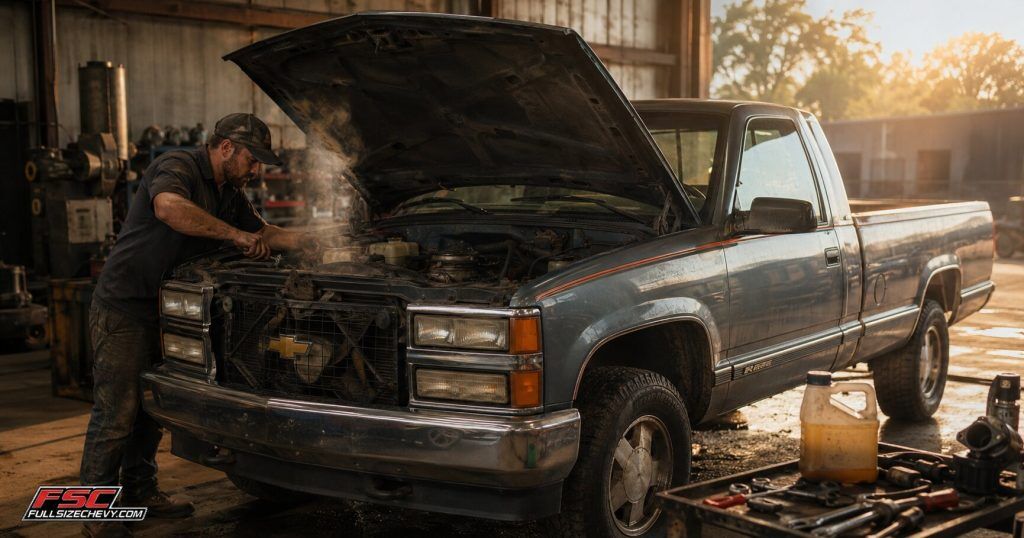
Overheating isn’t just annoying; it can wreck your Chevy’s summer plans fast. If your truck’s running hot, the problem usually hides in one of five common cooling system failures. Nail these fixes now—fan clutch, radiator sludge, thermostat issues, leaks, and air pockets—to keep your Silverado or Squarebody running strong all season. Ready to get your hands dirty? Head over to forum.fullsizechevy.com and start sharing your truck’s symptoms and test results today.
Common Cooling System Failures
When the heat kicks in, your Chevy truck needs its cooling system in top shape. Tackling these common failures will keep your ride from overheating and your summer plans on track.
Weak Airflow Issues
Weak airflow can cause more than just a mild annoyance. It leads to overheating, especially when you’re stuck in traffic or hauling heavy loads. The most common culprit? A faulty fan clutch. This essential component controls the speed of your fan, ensuring your engine stays cool. If you notice your fan isn’t spinning as it should, it’s time to check the clutch. Most people think replacing it is a hassle, but it’s simpler than you’d believe. A quick test? With the engine off, give your fan a spin. It should stop quickly. If it keeps spinning, you’ve found your problem. For more tips on fan clutch testing and electric fan options, visit National Fleet Mgt.
Clogged Radiator Solutions
A clogged radiator can turn a smooth drive into a nightmare. Sludge, especially in older trucks, can block coolant flow. To fix this, you need a thorough flush. Mix vinegar and distilled water for a home remedy that cuts through the grime. Remember, regular maintenance keeps clogs away. If you’re considering a radiator upgrade or need advice on the best coolant choices, check out Sarchione Chevrolet’s guide on radiator maintenance.
Thermostat and Cap Problems
Thermostat issues are another common headache. A stuck thermostat means your engine can’t regulate temperature, leading to overheating. Replace yours if it’s faulty. Similarly, a bad radiator cap can cause pressure problems, letting coolant escape. You should test the cap’s pressure regularly to avoid leaks. For a detailed look at Chevy thermostat and cap problems, MotorTrend provides a handy guide.
Fixing Leaks and Bleeding Air
After addressing the common failures, it’s time to focus on leaks and air in the system, which can be just as damaging if ignored.
Water Pump and Hose Leaks
Leaks in hoses or a worn-out water pump can silently sabotage your cooling system. A tell-tale sign is a puddle under your truck after parking. Inspect hoses for cracks and the pump for corrosion. Most people overlook the pump, but replacing it when faulty is crucial. For more on water pump replacements and hose inspections, Chevrolet of Milford offers expert advice.
Air Pockets and Bleeding Tips
Air pockets in your cooling system act like a roadblock for coolant. To fix this, you need to bleed the system. It’s an easy process: run the engine with the radiator cap off until bubbles stop appearing. This is crucial after any repair to the cooling system. To avoid air pocket issues, always ensure your radiator is topped with coolant. If you need more detail on how to handle air pockets and bleeding, check Carr Chevrolet’s guide.
Upgrade Paths and Maintenance
Now that your system is running smoothly, consider upgrades and routine checks to prevent future issues.
Fan Clutch and Electric Fan Tests
Testing your fan clutch and considering an electric fan upgrade can make a huge difference. Electric fans provide consistent airflow, especially useful if you drive in stop-and-go traffic. A simple test for your fan clutch? When your engine is cold, try turning the fan. If it moves freely, it may be time for a change. For the lowdown on electric fan tests for Silverado models, give Sarchione Chevrolet a look.
Radiator Upgrades and Coolant Choices
Upgrading your radiator provides peace of mind during hot months. Consider high-efficiency models that improve cooling. Also, choosing the right coolant is key. It’s not just about antifreeze; it’s about protecting your engine from corrosion and sludge. For a guide on radiator upgrades and coolant options, refer to National Fleet Mgt’s resources.
In summary, keeping your Chevy cool involves regular maintenance and addressing issues before they become big problems. For continued support and advice, join discussions at forum.fullsizechevy.com. Connect with fellow enthusiasts to share insights and solutions.
Talk trucks with other owners
Post your truck, your build, or the problem you are chasing and get real answers from full-size GM truck owners in the FSC forum.
Open the FSC Forum →